
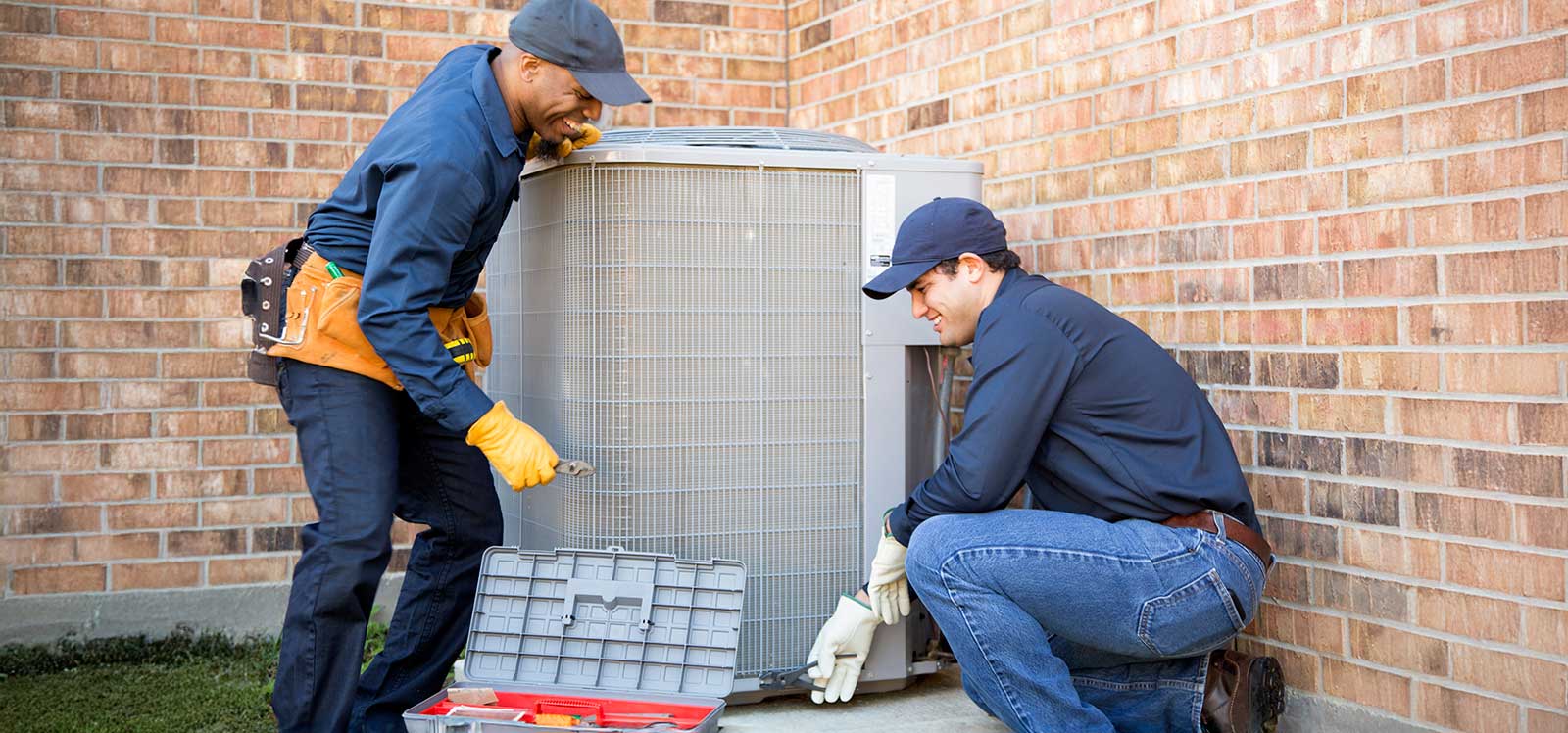
What does a quality air conditioning installation look like?
When it’s time to install a new air conditioning system, many homeowners focus on the equipment itself. While choosing the right system is important, quality air conditioner installation is just as critical to the performance, efficiency, and lifespan of your new AC unit.
In fact, HVAC industry studies show that improper installation can reduce system efficiency by up to 30%, increase energy costs, and lead to premature equipment failure.
If you’re investing in a new cooling system for your Florida home, understanding what a proper AC installation should include can help you avoid shortcuts and ensure the job is done right.
Why Quality Air Conditioner Installation Matters
Air conditioners are complex systems that must be carefully sized, connected, and calibrated to your home. Even the most advanced equipment will struggle to perform if installation is rushed or done incorrectly.
A professional AC installation helps ensure:
- Maximum energy efficiency
- Consistent cooling throughout your home
- Lower monthly energy bills
- Reduced wear and tear on equipment
- Longer system lifespan
- Fewer repair issues over time
In Florida’s hot and humid climate, proper installation is especially important. Your AC system will work hard for much of the year, and any installation mistakes can quickly lead to comfort problems.
Did You Know?
According to the U.S. Department of Energy, proper installation and maintenance can improve HVAC efficiency and reduce energy use significantly.
What a Professional AC Installer Should Do
A quality air conditioner installation is a structured process that goes far beyond simply replacing equipment.
Here are some key steps homeowners should expect.
1. Proper System Sizing
One of the most important steps in a proper AC installation is determining the correct system size for your home.
Professional installers perform a load calculation that considers:
- Home square footage
- Insulation levels
- Window placement
- Sun exposure
- Ceiling height
- Air leakage
Installing an AC unit that is too large or too small can lead to major performance problems.
Oversized systems cool too quickly and fail to remove humidity properly, while undersized systems run constantly and struggle to maintain comfort.
2. Ductwork Inspection
Before installing a new system, technicians should inspect your ductwork.
A quality installer will check for:
- Leaks or damaged ducts
- Poor airflow distribution
- Dirty or restricted ductwork
- Proper insulation
If airflow problems exist, installing a new AC system without addressing duct issues may reduce efficiency and comfort.
3. Proper Refrigerant Charging
Refrigerant levels must be precisely calibrated during installation.
Too much or too little refrigerant can:
- Reduce cooling capacity
- Increase energy consumption
- Cause compressor damage
- Shorten equipment lifespan
Professional technicians use gauges and manufacturer specifications to ensure the system is properly charged.
4. Electrical and Safety Checks
Quality installation also includes verifying all electrical components and safety controls.
Installers should:
- Confirm correct voltage supply
- Secure electrical connections
- Inspect breakers and disconnect switches
- Verify thermostat wiring
These checks ensure the system operates safely and reliably.
5. System Testing and Performance Verification
Once the system is installed, technicians should test the equipment thoroughly.
A professional AC installation includes checking:
- Airflow and temperature differential
- Thermostat operation
- System pressure levels
- Drain line performance
- Overall cooling performance
This final step ensures the system operates according to manufacturer specifications.
What Homeowners Should Expect on Installation Day
Many homeowners wonder what actually happens during an AC installation.
While each home is different, a typical installation timeline may look like this.
Installation Process Timeline
Morning
- Old system removal
- Equipment delivery and preparation
Midday
- New system installation
- Electrical connections and refrigerant line setup
Afternoon
- System calibration and testing
- Thermostat configuration
- Final walkthrough with homeowner
Most residential installations can be completed within a single day when performed by an experienced HVAC team.
Red Flags of a Poor AC Installation
Not every installation company follows best practices. Unfortunately, shortcuts can lead to long-term problems.
Watch for these warning signs of poor installation.
Red Flags
- No load calculation performed
- Installation completed unusually quickly
- Ductwork not inspected
- Refrigerant levels not tested
- No system performance checks
- Limited explanation of the system to the homeowner
A rushed installation may save time upfront, but often leads to higher repair costs and reduced system life.
Professional Installation vs. Poor Installation
Choosing the right installation team can make a significant difference in comfort and long-term reliability.
Pro Tip
Before signing a contract, ask whether the company performs Manual J load calculations and verifies refrigerant levels during installation. These steps are strong indicators of a quality installation process.
Work With an Experienced AC Installation Team
When it comes to installing a new cooling system, experience matters.
At Gulf Coast Air Systems, our team focuses on delivering quality air conditioner installation backed by decades of industry experience.
Homeowners trust our team because we provide:
- NATE-certified technicians
- Factory-trained professionals on leading HVAC brands
- Extensive experience with Florida cooling systems
- Energy-efficient system recommendations
- Proper system sizing and installation practices
- Reliable service backed by decades of expertise
Learn more about our experience on our About Us page.
If you’re planning a new cooling system, our team can guide you through the entire process, from system selection to professional installation.
Visit our AC Installation page to learn more about our installation services or contact us today to schedule a consultation.
FAQs About Air Conditioner Installation

Ready for a Quality AC Installation?
If you’re replacing your air conditioner or installing a new system, working with an experienced HVAC team ensures the job is done right the first time.
Contact Gulf Coast Air Systems today to schedule your consultation and learn how a quality air conditioner installation can improve your home comfort and energy efficiency.