
Why Is My AC Not Cooling? A Troubleshooting Guide for Tampa Homeowners
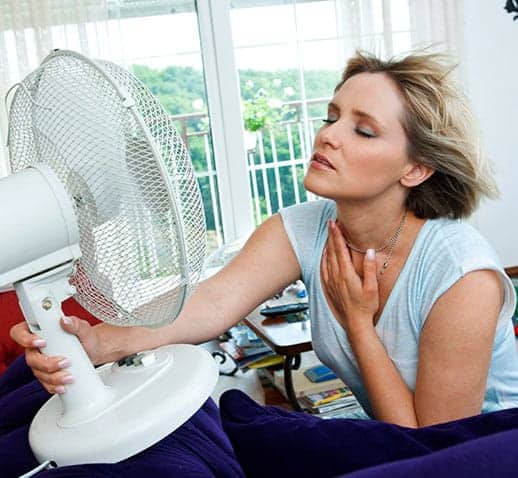
When you notice your AC not cooling, there’s nothing quite like the sudden wave of panic that hits as your home gets warmer by the minute. On a sweltering afternoon in Tampa Bay, a malfunctioning air conditioner isn’t just an inconvenience—it’s an immediate indoor comfort emergency.
Before you assume the worst, it helps to know that a system that stops blowing cold air doesn’t always equal a total system failure. Sometimes, the fix is a simple oversight you can address yourself in a matter of minutes. Other times, it’s a clear warning sign that a major mechanical component needs professional attention.
Use this quick troubleshooting guide to determine why your AC isn’t cooling and what steps to take next.
Step 1: Check the Easy Fixes First (DIY Troubleshooting)
Before calling out a technician and paying a diagnostic fee, check these three common, simple culprits that often trick homeowners into thinking their system is broken.
1. The Thermostat Fan Setting is Set to “ON”
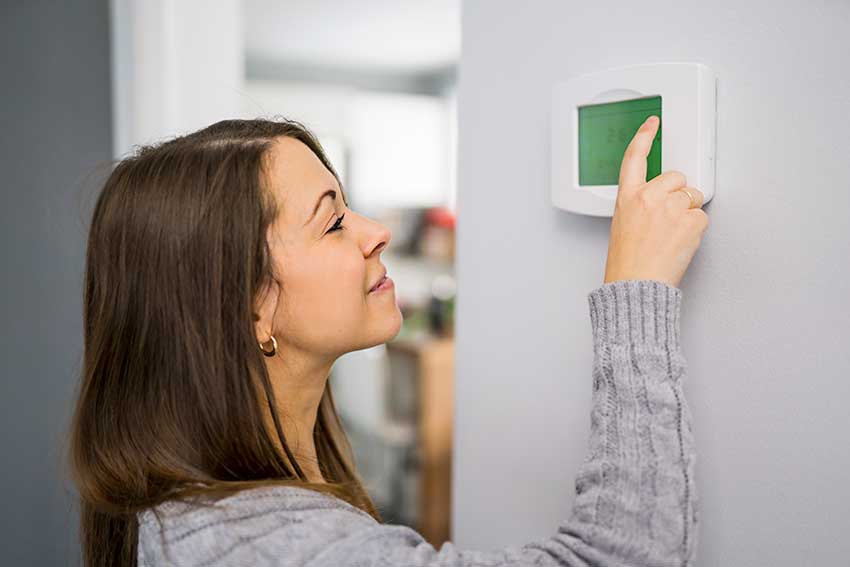
Walk over to your thermostat and look closely at the fan setting. Is it set to ON or AUTO?
- The Problem: If it is set to “ON,” the indoor fan blows air continuously through your home, even when the outdoor compressor cycles off. When the outdoor unit is resting, the fan is simply circulating uncooled, room-temperature air, which can make it feel like your AC is not cooling enough.
- The Fix: Switch the setting back to AUTO. This ensures the fan only runs when the system is actively cooling the air.
2. A Suffocated, Clogged Air Filter
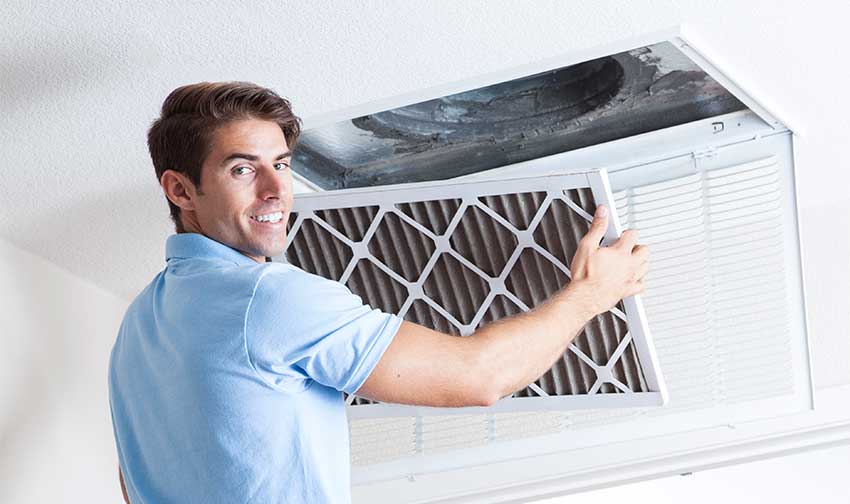
When was the last time you changed your return air filter? In Florida’s peak heat, a standard filter can fill up with dust, pet dander, and allergens in as little as 30 days.
- The Problem: An air conditioner requires a massive, steady stream of warm indoor air to pass over its cooling coils. If a filthy filter blocks that airflow, the system cannot pull heat out of your home. Worse, a suffocated system will eventually freeze over, blocking air from moving at all.
- The Fix: Turn off your AC system entirely and check the filter. If it’s grey and caked in dust, replace it immediately.
3. A Tripped Breaker at the Electrical Panel
Your central air conditioning system actually runs on two separate electrical circuits: one for the indoor air handler and one for the outdoor condenser unit.
- The Problem: If a power surge or a brief voltage spike trips the breaker to your outdoor unit, the indoor fan will continue to spin inside the house. However, because the outdoor unit is completely powerless, the system cannot pump or cool the refrigerant, leaving your AC unable to cool the air.
- The Fix: Check your main electrical panel. If the outdoor AC breaker has tripped to the middle position, flip it completely off, then back to the “ON” position. (Note: If it trips again immediately, do not reset it a second time; this indicates a dangerous electrical short that requires immediate service).
Step 2: Look for Signs of Mechanical Issues (When to Call the Pros)
If you’ve checked the thermostat, replaced the filter, and verified the breakers have power, but your AC is still not cooling, the problem is likely internal. In the humid Tampa climate, these four issues are the most common mechanical culprits:
1. A Clogged Condensate Drain Line
Because local humidity levels are incredibly high, your air conditioner strips gallons of water from your indoor air every single day. That water drains outside through a PVC pipe. Over time, algae, mold, and sludge can completely choke this line.
2. A Frozen Evaporator Coil
If you open your indoor AC closet or look at the copper lines running outside and see literal ice buildup, your system has frozen over. A frozen coil happens when airflow is severely restricted or when the system is dangerously low on refrigerant.
3. Low Refrigerant Levels (A System Leak)
Contrary to popular belief, an air conditioner does not “consume” or burn through refrigerant like a car burns gas. It circulates the exact same chemical refrigerant in a closed loop. If your system is low on refrigerant, it means there is a physical leak somewhere in the copper coils. Without enough refrigerant, the system cannot absorb heat, so the AC unit won’t cool your home.
4. A Blown Outdoor Capacitor
The capacitor is a small, cylindrical component inside your outdoor unit that acts like a temporary battery, providing the high-voltage jolt of energy needed to start the compressor and fan motor. Florida’s intense summer heat puts massive stress on these electrical parts, making a dead capacitor one of the single most common reasons an AC stops cooling in the middle of summer.
The Risk of Waiting: Protect Your Compressor
AC not cooling? This common problem can quickly turn into an indoor comfort emergency.
Forcing a struggling system to run under high stress can turn a minor, easily fixable issue (like a dead $150 electrical part or a dirty filter) into a catastrophic compressor failure, requiring a multi-thousand-dollar equipment replacement.
If your home’s temperature is consistently climbing, set the thermostat to “OFF” to protect your equipment until a professional can inspect it.
Fast, Honest Diagnosis with Gulf Coast Air Systems
Since 1981, Gulf Coast Air Systems has kept Tampa Bay families cool with dependable, straightforward residential climate services. We don’t believe in high-pressure sales pitches or temporary band-aid solutions. When you call us because your air conditioner has stopped working, our experienced, NATE-certified technicians focus on identifying the root cause, clearly explaining your options, and restoring your comfort quickly.
Restore Your Home’s Comfort Today
Is your home getting uncomfortably warm? Don’t sweat through a hot Florida night.
If your AC isn’t cooling and basic troubleshooting hasn’t solved the problem, our team is ready to help. Contact Gulf Coast Air Systems today to schedule a prompt, professional diagnostic and AC repair service and get your home back to a crisp, reliable cool.