
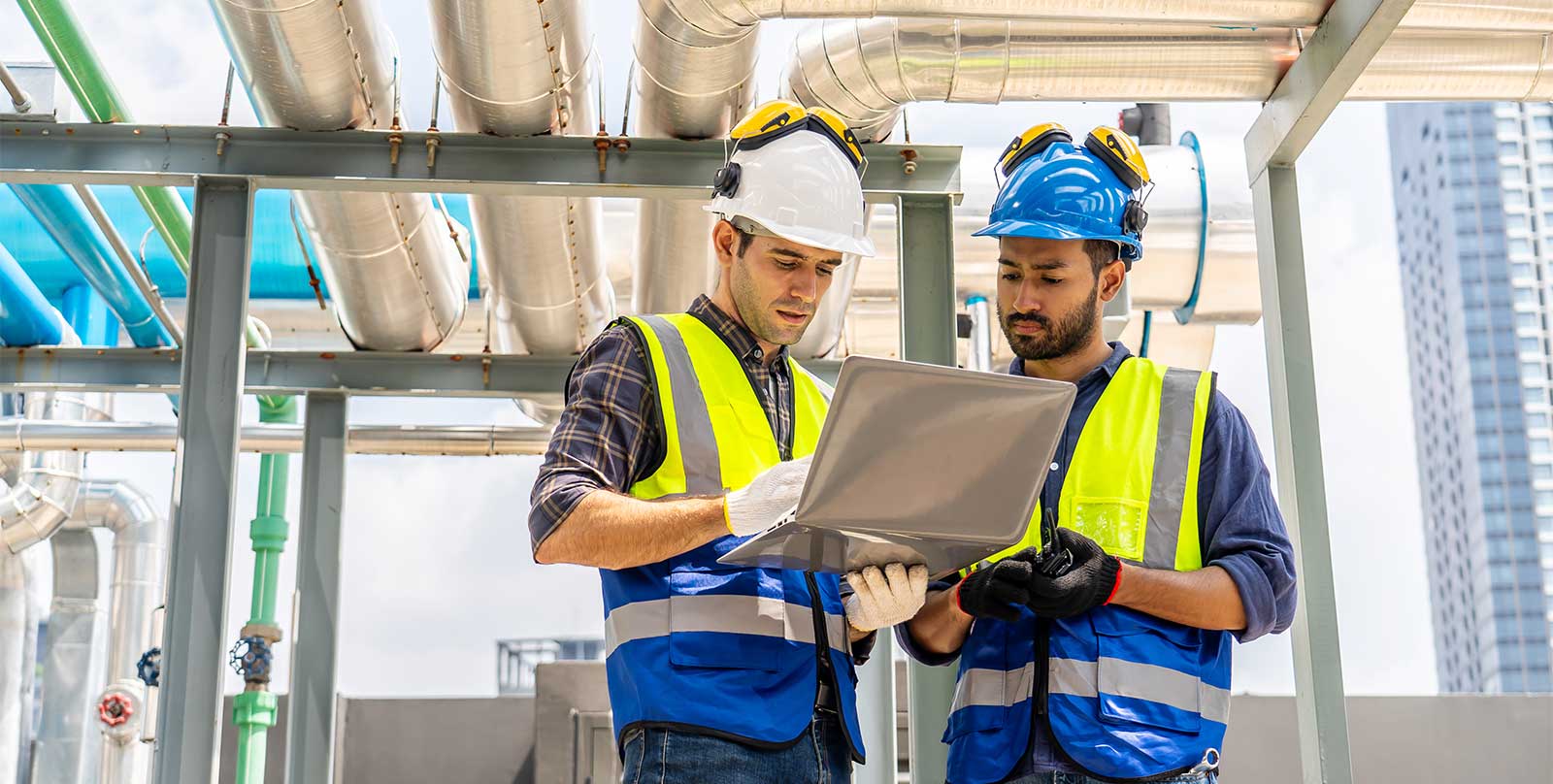
Commercial HVAC Upgrades: 7 Smart Investments That Can Lower Operating Costs for Tampa Bay Businesses
Running a commercial building in Florida isn’t getting any easier. Rising energy costs, aging HVAC equipment, changing building requirements, and the need to keep employees and customers comfortable all put pressure on business owners and facility managers to get the most from their heating and cooling systems.
The good news is that a commercial HVAC upgrade doesn’t always mean replacing your entire system. In many cases, strategic improvements can reduce operating costs, improve reliability, and help your building stay compliant with current codes and efficiency standards.
Since 1981, Gulf Coast Air Systems has helped businesses throughout the Tampa Bay area modernize their HVAC systems with custom-designed solutions, commercial retrofit projects, and long-term maintenance programs that keep buildings operating efficiently year-round.
1. Upgrade to High-Efficiency Equipment to Reduce Operating Costs
According to the ENERGY STAR® program, improving HVAC efficiency is one of the most effective ways commercial buildings can reduce energy consumption and operating expenses.
Heating and cooling often account for a large portion of a commercial building’s utility expenses. If your rooftop units or split systems are 10 to 15 years old or older, they may be consuming significantly more electricity than today’s high-efficiency equipment.
Modern commercial HVAC systems offer features such as:
- Variable-speed compressors
- High-efficiency fan motors
- Improved heat exchangers
- Advanced energy-saving controls
These technologies help reduce energy consumption while maintaining more consistent indoor temperatures throughout the building.
For many businesses, lower monthly utility bills can offset a significant portion of the investment over the life of the equipment.
2. Modern HVAC Controls Can Improve Comfort and Efficiency
Many commercial buildings still rely on outdated thermostats or manual scheduling.
Today’s smart HVAC controls allow building owners to:
- Schedule heating and cooling based on occupancy
- Control multiple zones independently.
- Monitor equipment remotely
- Identify performance issues before they become major problems.
Whether you operate an office, retail store, medical facility, warehouse, or mixed-use property, upgraded controls help ensure your HVAC system operates only when and where it’s needed, reducing unnecessary energy use without sacrificing occupant comfort.
3. Retrofit Existing Systems Instead of Starting from Scratch
One of the biggest misconceptions about a commercial HVAC upgrade is that every project requires a complete system replacement.
In reality, many buildings benefit from commercial HVAC retrofit solutions that modernize existing equipment while preserving components that continue to perform well.
A retrofit may include:
- Replacing aging rooftop units
- Upgrading blower motors
- Installing new economizers
- Improving ventilation
- Modernizing control systems
- Reconfiguring ductwork for better airflow
This approach often delivers substantial improvements in efficiency and reliability while helping businesses manage project costs and minimize operational disruptions.
4. Improve Indoor Air Quality for Employees and Customers
Indoor air quality has become an important part of maintaining healthy, comfortable commercial spaces.
In the humid Tampa Bay climate, high moisture levels don’t just cause discomfort; they also increase the risk of mold and indoor air quality (IAQ) issues.
A commercial HVAC upgrade provides an opportunity to improve indoor air quality through:
- High-efficiency air filtration
- Ventilation improvements
- Humidity control
- UV air purification where appropriate
- Better airflow balancing
Creating a healthier indoor environment isn’t just about comfort; it can also contribute to improved workplace performance and customer satisfaction.
5. Design the Right System for Your Building
No two commercial buildings have identical heating and cooling requirements.
Installing oversized or undersized equipment can lead to short cycling, uneven temperatures, excessive humidity, higher utility bills, and premature equipment wear.
Before recommending new equipment, Gulf Coast Air Systems performs detailed load calculations that account for factors such as:
- Building layout
- Insulation levels
- Occupancy
- Sun exposure
- Heat-producing equipment
- Ventilation requirements
With more than 54,000 HVAC system installations completed, Gulf Coast Air Systems understands that careful system design is just as important as the equipment itself. Proper sizing helps maximize efficiency, comfort, and long-term reliability.
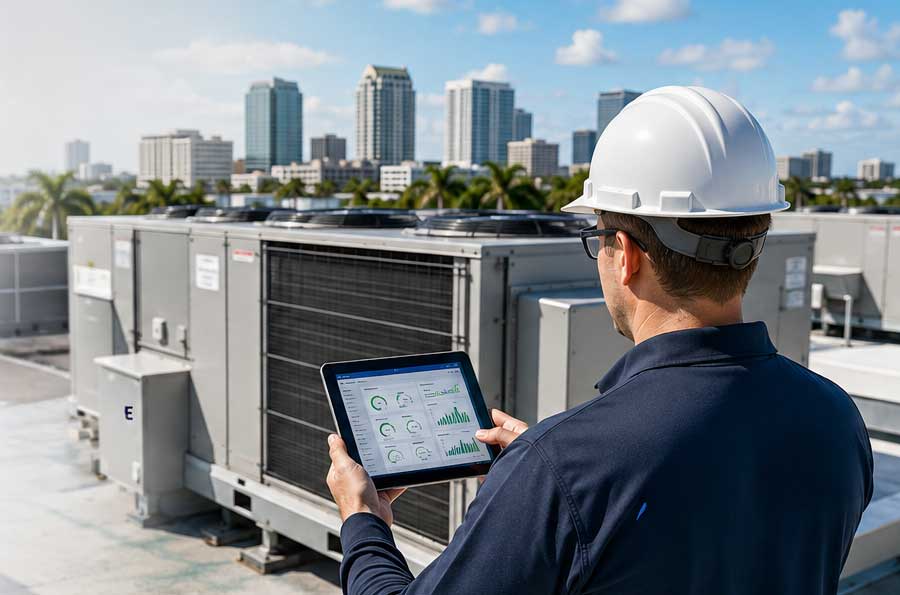
6. Stay Ahead of Downtime and Changing Codes and Regulations
For many business owners, the greatest concern isn’t simply replacing.
An unexpected HVAC failure can interrupt business operations, affect employees and customers, and lead to costly emergency repairs. At the same time, aging equipment may become more difficult to service.
With the HVAC industry navigating major regulatory shifts, such as the recent phase-outs of older refrigerants like R-22 and the transition away from R-410A, parts and refrigerant supplies for older units will become increasingly scarce and expensive.
Planning a commercial HVAC upgrade before equipment reaches the point of failure allows businesses to:
- Schedule work around normal operations whenever possible
- Reduce the risk of unexpected breakdowns.
- Improve energy efficiency
- Address equipment nearing the end of its service life.
- Stay aligned with current mechanical and energy efficiency requirements.
Working with an experienced commercial HVAC contractor also helps ensure new installations are designed and installed in accordance with applicable Florida building codes and local permitting requirements, reducing the risk of costly corrections later.
7. Protect Your Investment with Preventive Maintenance
Upgrading your HVAC system is only the first step.
Routine preventive maintenance helps protect your investment by keeping equipment clean, properly adjusted, and operating efficiently throughout the year.
A commercial HVAC maintenance agreement can help:
- Extend equipment life
- Reduce emergency service calls.
- Maintain energy efficiency
- Identify small issues before they become expensive repairs.
- Support more predictable maintenance budgeting.
For many businesses, preventive maintenance is one of the most cost-effective ways to maximize the return on a commercial HVAC upgrade.
Plan Today for a More Efficient Tomorrow
Whether your goal is to lower operating costs, improve occupant comfort, modernize aging equipment, or prepare for future growth, a thoughtfully planned commercial HVAC upgrade can provide lasting value for your business.
From custom HVAC system design and commercial retrofit replacement to energy-efficient installations and ongoing maintenance, Gulf Coast Air Systems helps Tampa Bay businesses find practical solutions that fit their buildings, budgets, and operational needs. As a family-owned company serving the region since 1981, we have earned the trust of businesses through decades of dependable service and expertly designed commercial HVAC systems. Our NATE-certified technicians have earned the trust of businesses through decades of dependable service and expertly designed commercial HVAC solutions.
Schedule a Commercial HVAC Upgrade Consultation
Every commercial building has unique heating and cooling requirements. Whether you’re planning a facility renovation, replacing aging rooftop equipment, or looking for ways to reduce operating costs, Gulf Coast Air Systems can help you evaluate your options.

Contact Gulf Coast Air Systems today to schedule a commercial HVAC assessment and discover how the right upgrades can improve your building’s comfort, efficiency, and long-term performance.