
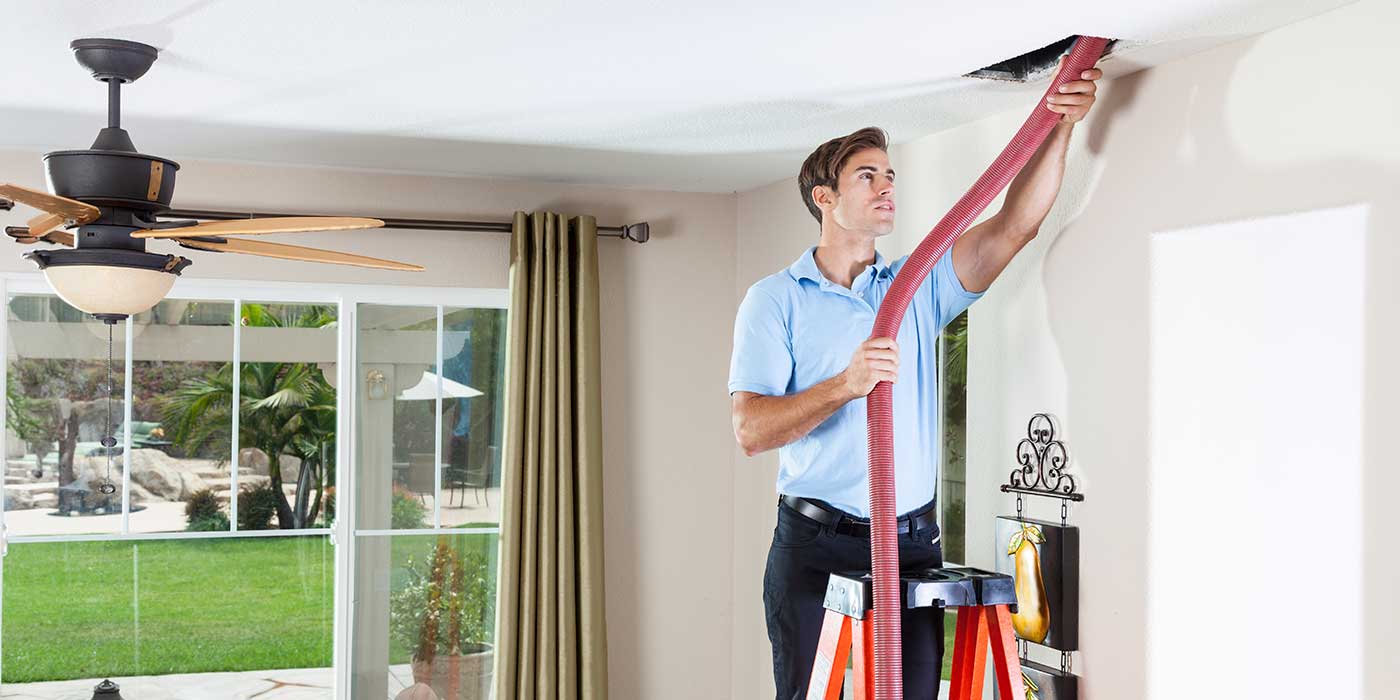
Do Your Air Ducts Need Cleaning? 7 Signs It May Be Time
When was the last time you thought about what is inside your home’s air ducts?
For most homeowners, the answer is probably “never.” Ductwork is hidden behind walls, ceilings, and floors, quietly moving conditioned air throughout the house. But after years of use—or after a major renovation—dust, debris, pests, or moisture can sometimes enter the HVAC system.
That does not mean every home needs routine duct cleaning. In fact, according to EPA guidance on air duct cleaning, cleaning air ducts simply because a certain amount of time has passed is not generally recommended. Instead, your ductwork’s condition and your home’s specific circumstances should dictate when you need to act.
So how do you know when duct cleaning actually makes sense?
7 Signs Your Air Ducts May Need Cleaning
1. You can see significant dust or debris inside the ductwork
A little dust in an HVAC system is not unusual. But substantial accumulations of dust, dirt, or other debris are a different matter.
If you can see a significant amount of material inside accessible portions of the ductwork, it may be worth having a professional inspect the system. The key word is significant. Dust around a supply register does not necessarily mean the entire duct system is dirty, and opening a vent to see a small amount of dust is not, by itself, proof that cleaning is necessary.
The EPA recommends considering duct cleaning when there is substantial visible mold growth, vermin infestation, or substantial deposits of dust and debris entering the living space from supply registers.
2. Dust or debris is coming out of your supply vents
Have you ever thoroughly cleaned your home only to notice dust settling around the supply registers shortly afterward?
That does not automatically mean the ducts need to be cleaned. Household dust can accumulate around registers for many reasons. However, if you see particles coming from the supply vents when the HVAC system runs, it is reasonable to have the system evaluated.
An inspection can help determine whether the problem is inside the ductwork, or whether something else, such as a dirty filter, damaged duct, loose connection, or airflow issue, is contributing.
3. Your home has had a pest or rodent problem
Rodents and other pests can turn an ordinary duct-cleaning question into an urgent situation. If animals have entered the ductwork, the system may contain far more than ordinary household dust, including nesting material, droppings, and other biological contaminants.
In this situation, cleaning shouldn’t be the first and only step. First, eradicate the underlying pest issue, then inspect the ductwork for structural damage and contamination.
4. You suspect mold or have a moisture problem
In Florida’s humid climate, moisture deserves particular attention.
If you notice a persistent musty odor, visible mold-like growth, water intrusion, or excessive moisture around HVAC components, don’t assume that duct cleaning alone will solve the problem. First, identify and fix the underlying moisture source.
This is especially critical with insulated or fiberglass duct materials. Wet or moldy fiberglass duct material often needs to be removed and replaced, not cleaned. Cleaning never replaces fixing a moisture leak or humidity control issue.
5. You have recently remodeled or renovated your home
A major renovation can create a large amount of fine dust and construction debris. Anyone who has replaced flooring, removed walls, or sanded drywall has experienced this firsthand. Even after the initial cleanup, fine particles can remain suspended in the air or settle in hidden areas.
If you left HVAC registers open during dusty construction work, some of that material likely entered the duct system. While sealing supply and return registers during renovations is the best preventive step, scheduling a post-renovation HVAC inspection is worthwhile if persistent dust or unusual construction odors linger.
6. You have persistent airflow problems
Poor airflow does not necessarily mean your ducts are dirty. In fact, duct cleaning may be the wrong solution if a structural or mechanical defect is the real issue.
A professional inspection will evaluate potential causes, such as:
7. You don’t know the history of your ductwork
Buying an older home in Tampa Bay often means inheriting an HVAC system with an unknown history. Has the home been renovated? Has there ever been a roof leak or pest infestation?
You don’t automatically need to clean the ducts simply because you lack historical records. Still, a professional inspection can clarify whether cleaning, repair, or leaving the system alone is the right choice.
Does Flexible Ductwork Make Cleaning Risky?
Flexible duct (commonly called flex duct) is widely used in residential HVAC systems across Tampa Bay. Unlike rigid sheet-metal ductwork, flex duct has an outer plastic jacket and wire-helix construction that can be damaged if handled improperly.
Is it dangerous to clean flex duct? It depends entirely on the condition of the ductwork and the methods used by the technician:
If accessible flexible duct is brittle, deteriorated, or structurally compromised, replacement is often safer and more cost-effective than attempting to clean it.
What Equipment Is Used for Safe Duct Cleaning?
Professional duct cleaning requires specialized commercial equipment, not household shop vacuums. Safe and effective cleaning relies on two main principles:
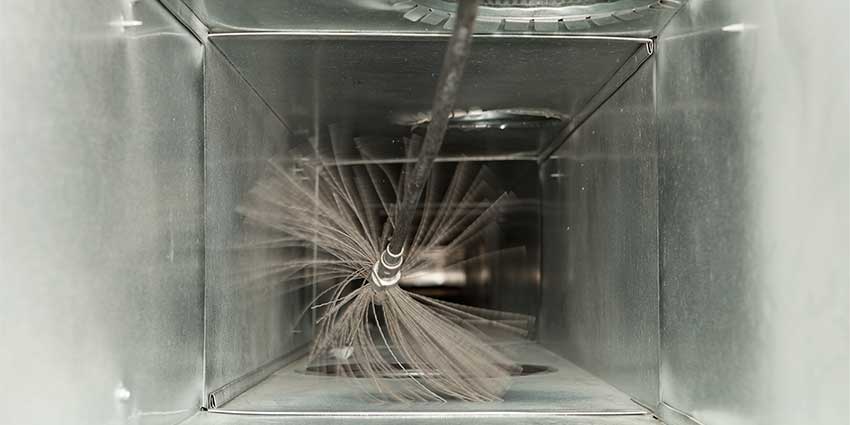
- Agitation: Soft-bristled brushes, air whips, or gentle pneumatic tools loosen dust without damaging internal duct walls.
- Collection: High-powered vacuum collection systems operating under negative pressure extract and capture the loosened debris.
Per industry standards, any equipment exhausting vacuumed air indoors must be HEPA-filtered to prevent captured dust and allergens from recirculating into your living spaces.
What Should You Expect From a Professional Service?
A reputable HVAC professional will always start with a thorough assessment, not immediately with a vacuum hose.
|
Phase |
What the Technician Should Do |
|---|---|
|
Initial Assessment |
Inspect duct type, structural condition, visible contamination, pest history, and airflow leaks. |
|
Preparation |
Protect floors and furnishings; seal registers to establish proper negative pressure. |
|
Cleaning Process |
Use HEPA-filtered, negative-air equipment and agitation tools appropriate to the material. |
|
Verification |
Conduct a visual post-cleaning inspection (often utilizing remote cameras) to verify results. |
When You Probably Don’t Need Duct Cleaning
Not every dusty vent requires professional duct cleaning. If your home has no substantial contamination, pest infestation, moisture issues, or airflow restrictions, routine duct cleaning may offer little practical benefit.
The most effective way to maintain indoor air quality and system efficiency is through standard maintenance: changing air filters on schedule, controlling indoor humidity, and booking annual preventive HVAC tune-ups.
What About DIY Duct Cleaning?
Here are several routine maintenance tasks homeowners can safely perform:
Leave deep duct cleaning inside wall cavities or the attic to certified professionals. Attempting DIY cleaning inside flexible ductwork can easily tear the inner lining, disconnect air lines, or disturb hidden contaminants.
The Bottom Line: Inspection Comes Before Cleaning
Air duct cleaning can be beneficial under the right circumstances, but it shouldn’t be treated as a routine service for every home.
In Tampa Bay homes, where flexible ductwork is standard and high humidity is constant, a thorough assessment is always the best first step.

Does your home’s ductwork need attention? Learn more about our professional air duct cleaning service in Tampa Bay or contact the team at Gulf Coast Air Systems today to schedule a complete system inspection.