Why Is Your House So Humid When It’s Cooler Outside?
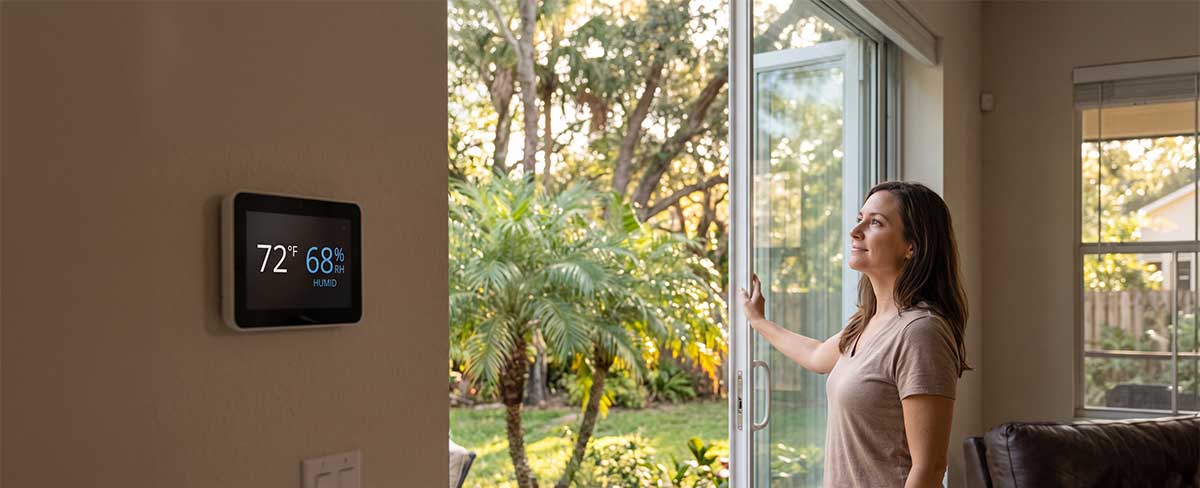
Managing humidity in your house can get surprisingly tricky when the first 70-something-degree morning arrives in Tampa Bay. After months of running the air conditioner, opening the windows feels like a treat.
You turn off the AC, let in the fresh air, and enjoy the first hint of fall. A few hours later, however, something feels different. The house isn’t hot, but it feels a little sticky. Maybe the thermostat or indoor humidity monitor shows that your moisture levels have climbed.
How can your home feel more humid when it’s cooler outside?
The answer comes down to something Florida homeowners know very well: cooler doesn’t always mean drier.
In fact, Tampa Bay’s fall weather creates an interesting HVAC challenge. As outdoor temperatures drop, your AC runs less, so it removes less moisture. Opening your windows can also bring in humid outdoor air, even when the temperature feels delightful.
Here’s how to enjoy those beautiful Florida fall days without accidentally inviting too much moisture indoors.
It’s 72°F Outside. Why Does Your House Suddenly Feel Humid?
Outdoor temperature tells you how warm or cool the air is. It doesn’t tell you how much moisture that air contains. That’s why a pleasant fall morning can be deceptive.
When you open your windows, outdoor air mixes with the conditioned air inside your home. If that outdoor air contains a lot of moisture, some of it comes inside. At the same time, turning off the air conditioner shuts down your home’s primary moisture-removal system.
The result? A house that’s pleasantly cool, but increasingly sticky.
Before Opening the Windows, Check the Dew Point
Most of us automatically look at two numbers in a weather app: temperature and relative humidity. To decide whether Tampa Bay’s outdoor air is actually dry, look at a third number: dew point.
What is Dew Point and How Do You Measure It?
Think of relative humidity as a moving target; it changes as temperature rises or falls, even if the air’s total moisture stays the same. Dew point, on the other hand, measures the air’s actual moisture.
Tampa Bay Tip: You don’t need fancy equipment to check outdoor dew point. Open any standard weather app on your phone, click into the detailed daily forecast, and scroll down to “Dew Point.”
For a helpful local explanation, check out the National Weather Service Tampa Bay’s guide to dew point.
Why Can Humidity in Your House Rise When the AC Runs Less?
Your air conditioner has two important jobs during Florida’s cooling season.
It lowers the indoor temperature, but as warm indoor air passes over the cold evaporator coil, moisture condenses out and drains away through the condensate system.
In July and August, your AC runs frequently because cooling demand is high. That creates plenty of opportunity to remove moisture.
October can be different.
Imagine that your thermostat is set to 75°F and the outdoor temperature is only 76°F. Your home may not need much cooling, so the air conditioner doesn’t run very often.
The indoor temperature can be perfectly comfortable while humidity gradually rises.
This is one reason high humidity in your house isn’t exclusively a summer problem in Florida.
Should You Open the Windows or Keep the AC Running?
No universal rule says Tampa Bay homeowners should keep their windows closed whenever it’s humid outside.
Those first beautiful fall days are meant to be enjoyed.
Instead, decide based on outdoor moisture and temperature.
Opening the windows may make sense when:
It may be better to close the windows and return to conditioned air when:
The U.S. Environmental Protection Agency offers surprisingly straightforward advice: open windows or doors for fresh air when it isn’t humid outside.
In Tampa Bay, that last part matters.
Try the Tampa Bay “Open-Window Test”
The next cool morning gives you a chance to learn something about your home.
Step 1: Check your indoor humidity
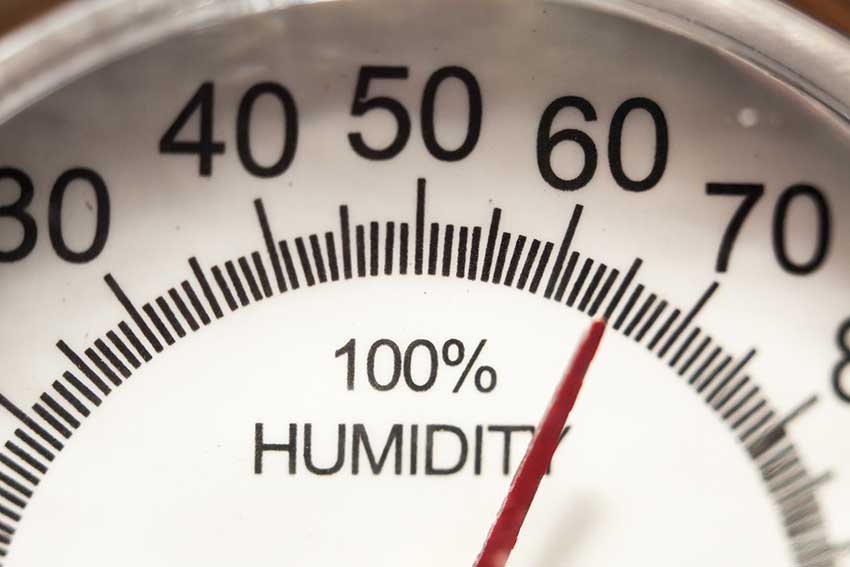
Before opening the windows, look at the humidity reading on your thermostat, indoor air quality monitor, or hygrometer.
Make a mental note of the number.
Step 2: Check outdoor conditions
Don’t stop at the temperature.
Check the outdoor humidity and, preferably, the dew point. A weather app or National Weather Service forecast can provide this information.
Step 3: Open the windows and enjoy the weather
If conditions look favorable, turn off the cooling system while the windows are open instead of paying to condition air that immediately escapes outside.
Step 4: Check your indoor humidity again
After the windows have been open for a while, look at your indoor humidity reading.
Step 5: Let your house, not just the thermometer, tell you when it’s time to close up
If indoor moisture rises significantly or the house starts to feel clammy, it’s probably time to close the windows and return to normal HVAC operation.
You’re essentially conducting a simple experiment:
What happens to your home’s humidity when Tampa Bay’s outdoor air becomes your ventilation system?
Every house may respond somewhat differently.
What Should the Humidity Be Inside Your House?
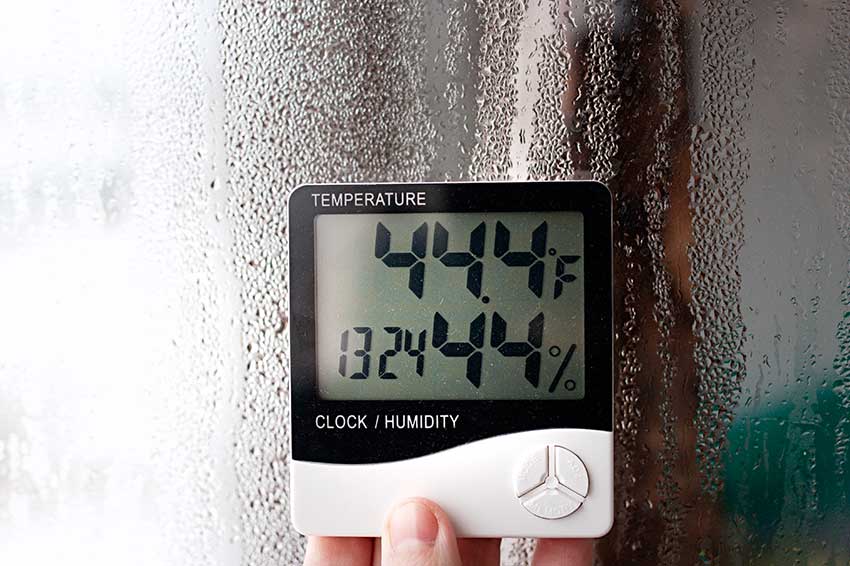
The EPA recommends keeping indoor relative humidity below 60% and, when possible, between 30% and 50%.
For Tampa Bay homeowners, the key takeaway isn’t that your humidity reading must stay at one exact number every minute, every day.
Instead, watch for persistent high humidity and changes from what’s normal for your home.
Signs that excess moisture may be becoming a problem include:
A small digital hygrometer can help you monitor conditions if your thermostat doesn’t display indoor humidity.
Why Does My House Feel Humid at Night When It Isn’t Hot?
This is another common version of the same puzzle.
As evening temperatures fall, your home may require very little cooling. If the AC doesn’t run, it also removes little moisture.
Meanwhile, outdoor moisture conditions can remain high.
So a cool Tampa Bay evening can create exactly the situation that surprises homeowners:
comfortable temperature + limited AC runtime + elevated moisture = a house that feels clammy even though it isn’t hot.
If this happens occasionally during unusual weather, monitor the conditions.
If your home regularly struggles with humidity whenever cooling demand drops, it may be worth investigating how your HVAC system and home manage moisture.
Keep Your Tampa Bay Home Cool and Comfortable Year-Round
Enjoying Florida’s fall weather shouldn’t mean compromising your indoor comfort or indoor air quality. If your home still feels sticky with the windows closed, or if your air conditioner struggles to control moisture in milder weather, Gulf Coast Air Systems can help.
Struggling with high humidity in your house? Contact the local experts at Gulf Coast Air Systems today to schedule an HVAC performance check or consult on whole-house dehumidification solutions for your Tampa Bay home.