
HVAC UV Light, Air Purifiers, and HEPA Air Purifiers: How Each System Works (and What Florida Homeowners Should Know)
Indoor air quality is a growing concern for homeowners across Florida. With high humidity, long cooling seasons, and allergens present year-round, many homeowners begin researching air purifiers, HVAC UV light systems, or HEPA air purifiers—only to discover the terminology can be confusing. Learn more about services from Gulf Coast Air System.
- Are UV lights and air purifiers the same thing?
- Is a “germicidal light” different from a UV light?
- Do electronic air cleaners produce ozone?
- And are HEPA filters really practical for a home HVAC system?
This guide breaks it all down in clear, homeowner-friendly terms, explaining how each indoor air quality solution works, what it removes, what installation involves, and what’s myth versus reality, especially for Florida homes.
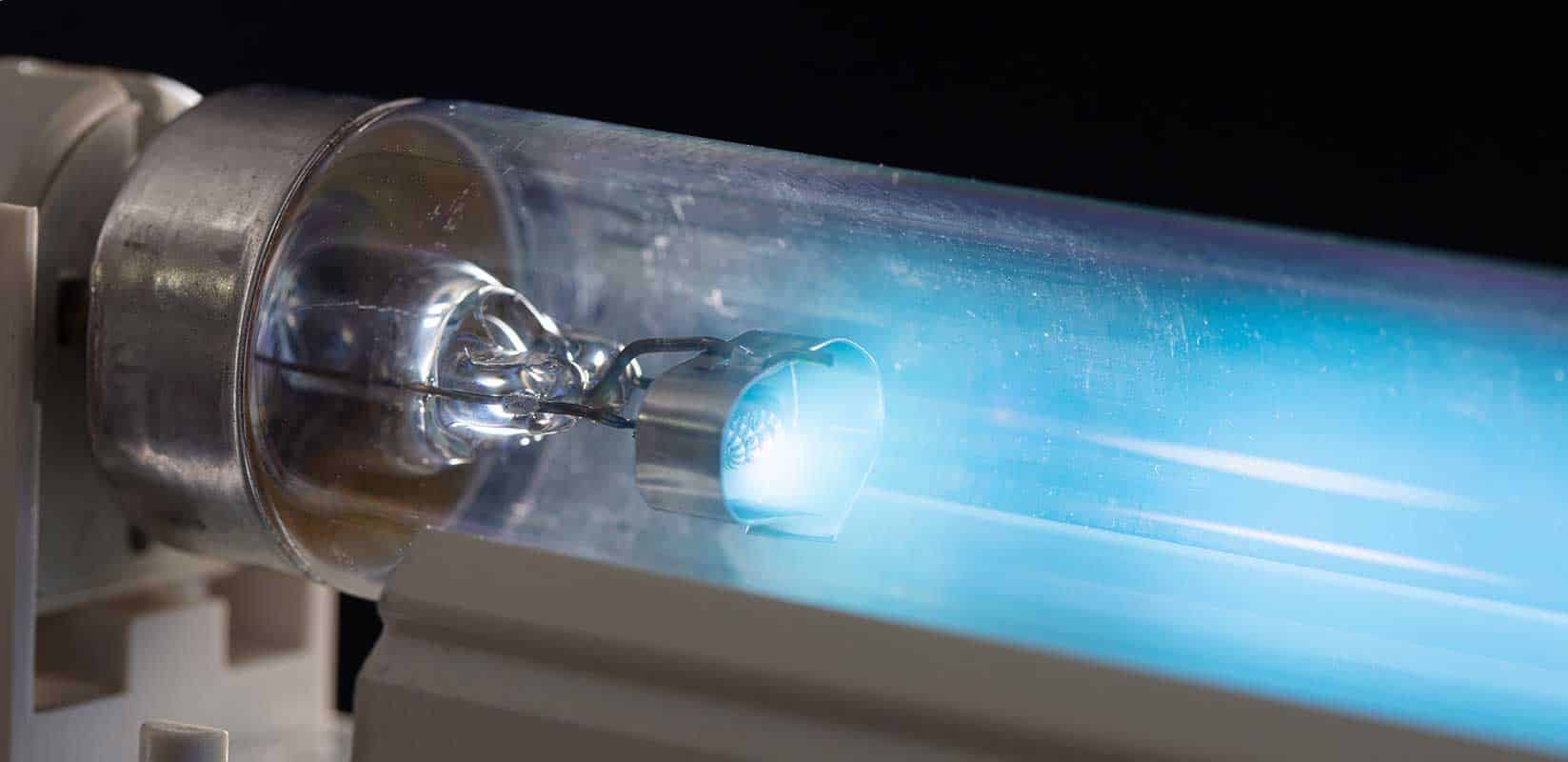
What HVAC UV Lights Eliminate
HVAC UV lights are designed to neutralize biological contaminants, including:
- Mold spores
- Bacteria
- Viruses
- Biofilm buildup on evaporator coils
They do not remove dust or airborne particles.
Installation and Maintenance
- Installed inside the HVAC system
- No impact on airflow
- Requires professional placement for safety and effectiveness
- UV bulbs typically require replacement every 12–24 months
Best For
- Florida homes with high humidity
- Preventing mold growth inside the HVAC system
- Improving system cleanliness and efficiency
What Are Air Purifiers and Electronic Air Cleaners?
How Whole-Home Air Purifiers Work
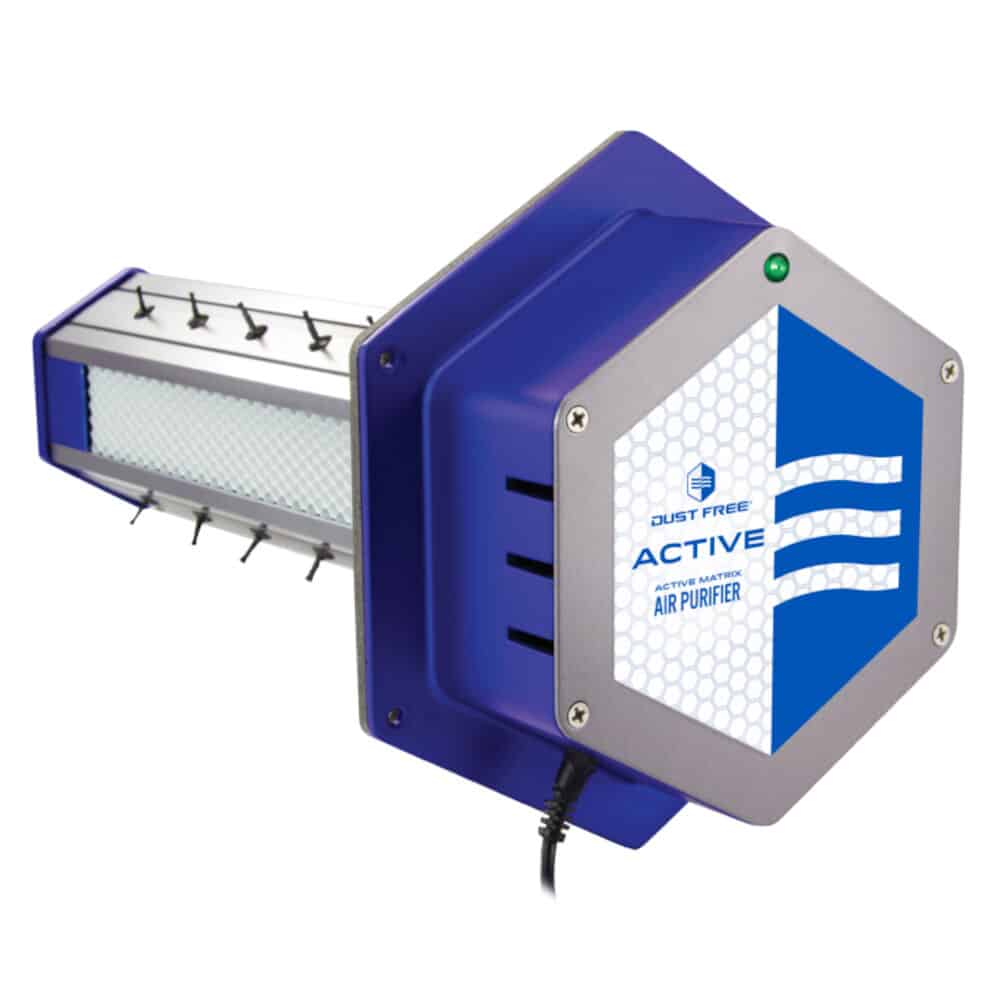
When homeowners refer to HVAC air purifiers, they are usually talking about whole-home electronic or active air cleaners. These systems treat air as it moves through ductwork, rather than cleaning a single room.
Many electronic air cleaners work by:
- Electrically charging airborne particles
- Capturing them on collection plates or neutralizing them
- Reducing airborne contaminants throughout the home
What Air Purifiers Can Remove
Depending on the system, air purifiers may help reduce:
- Dust and fine particles
- Pollen and allergens
- Pet dander
- Smoke and odors
- Certain VOCs (volatile organic compounds)
Installation and Maintenance
- Installed in the ductwork or air handler
- Requires an electrical connection
- Maintenance may include cleaning collection cells or replacing components
Important Note About Ozone:
Not all air purifiers produce ozone. Modern, professionally installed HVAC air purification systems are designed to meet safety standards and minimize or eliminate ozone production.
What Are HEPA Air Purifiers and Why They’re Different
How HEPA Filtration Works
HEPA air purifiers rely on dense mechanical filtration rather than electrical or UV technology. True HEPA filters capture 99.97% of particles as small as 0.3 microns.
What HEPA Air Purifiers Remove
- Fine dust and particulates
- Pollen and allergens
- Some bacteria (captured, not neutralized)
HEPA Filters and Residential HVAC Systems
While HEPA filtration is highly effective, it’s not always practical for standard residential HVAC systems:
- True HEPA filters create significant airflow resistance
- Most residential systems are not designed to handle that restriction
- Improper installation can reduce airflow and strain equipment
For these reasons, HEPA filtration is more commonly used in hospitals, laboratories, and standalone air purifiers.
Installation and Maintenance: What Homeowners Should Expect
Indoor air quality upgrades should always be evaluated by a professional to ensure:
- Proper system sizing
- Safe electrical connections
- No airflow restriction or system damage
- Optimal long-term performance
DIY installations or mismatched systems are common causes of dissatisfaction with air purifiers and UV lights.
Gulf Coast Air System provides professional installation and maintenance for HVAC UV light systems and air purifiers, helping ensure each solution is safely installed, properly matched, and optimized for Florida homes.
HVAC UV Light vs. Air Purifiers vs. HEPA Air Purifiers
|
Feature |
HVAC UV Light |
Air Purifiers |
|---|---|---|
|
Kills germs |
Yes |
Limited |
|
Removes particles |
No |
Yes |
|
Controls mold |
Yes |
Indirect |
|
Airflow restriction |
None |
Minimal |
|
Maintenance |
Bulb replacement |
Cleaning/parts |
Do Florida Homes Need One System or a Combination?
Many Florida homeowners benefit from a layered approach to indoor air quality, such as:
- An HVAC UV light to control mold and microbial growth
- A whole-home air purifier to reduce allergens, dust, and odors
A professional indoor air quality evaluation helps determine the right combination without overcomplicating the system.
Improve Indoor Air Quality with Confidence
Indoor air quality solutions don’t have to be confusing. Understanding how HVAC UV light systems, air purifiers, and HEPA air purifiers work allows Florida homeowners to make informed decisions, especially in humid climates like Tampa.
If you’re concerned about allergens, mold, or overall indoor air quality, Gulf Coast Air System can evaluate your home and recommend the right solution. Check current AC specialoffers or contact Gulf Coast Air System.